

























Food waste is a major problem in contemporary society, negatively affecting both the environment and the personal economy. Every year, millions of tons of food end up in the trash. Adopting effective food preservation methods thus becomes essential to reduce waste and promote a more sustainable lifestyle.

Food preservation methods
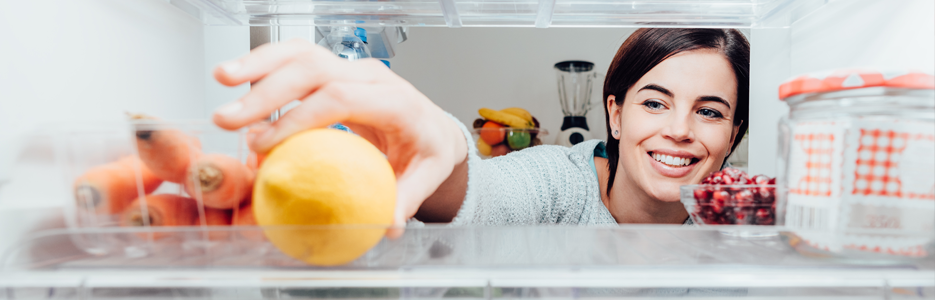
1. Proper organization of the refrigerator and pantry – the simple step that prevents waste
The organization of the refrigerator space has a direct impact on the way we store food. When each product has its place, and access is easy, we avoid waste and enjoy a more efficiently organized kitchen.
Useful recommendations:
- We store by category: we group foods according to their type. Dairy products have their own shelf, meat and fish sit in the coldest area, and vegetables and fruits in dedicated drawers.
- We label food: we use clear labels with the date of storage and the contents of each container.
- We apply the "first in, first eaten" rule: we put in front of foods with a close expiration date and consume in chronological order.
- We keep order in transparent shelves and containers: for increased visibility.
- We avoid crowding: we do not overload the storage spaces, to ensure good air circulation and uniform cooling.
What advantages we get:
- We reduce waste: we quickly see what we have in the fridge and what needs to be consumed.
- We save time: it is easier for us to prepare meals when we know exactly what ingredients we have.
- We maintain the freshness of food: airy and well-organized spaces slow down the spoilage process.
- We save money: we only buy what we lack and use what we already have efficiently.
- We have a cleaner and more functional kitchen: order = mental clarity and efficiency in cooking.

2. Correct food freezing techniques – our ally against waste
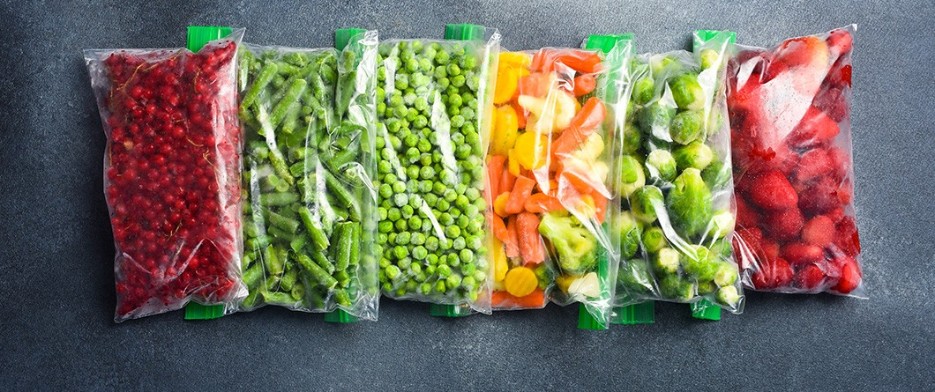
Freezing is one of the most effective methods we use to extend the shelf life of food. It allows us to preserve meat, vegetables, fruits, bakery products and even dairy products, without compromising their quality, if we follow a few simple rules.
How exactly we do this:
- We freeze in small portions of consumption. We don't store food in large quantities in one package, because this avoids thawing and refreezing – a process that can lead to spoilage.
- We use special freezer bags or airtight containers, to prevent contamination with odors and tastes from the freezer.
- We set the freezer temperature to -18°C, an ideal value for keeping food safe.
- We label each package with the date it was frozen to avoid confusion. In this sense, a portable printer is extremely useful – we write clearly, quickly and effortlessly.
- We respect the maximum freezing time for each type of food and periodically check the contents of the freezer.
What advantages we get:
- We keep food safe for long periods without loss of quality.
- We prevent food waste by having a well-organized and labeled reserve that we can use at any time.
- We save money, because we take advantage of offers and portion food in advance.
- We organize our meals better, especially during busy periods, when we do not have daily time for cooking.
- We avoid the risk of contamination between products, thanks to the correct packaging and tidy space.

3. Vacuum packaging – the smart method to reduce food waste
One of the most effective ways to reduce food waste is vacuum packaging. This involves the elimination of air around the food, which significantly slows down the spoilage process and maintains the freshness of the products for longer.
How we do it:
- We use vacuum cleaners, depending on the type of food and the frequency of use:
- Classic vacuum cleaners are ideal for portioning and freezing meat, fish or vegetables. We frequently use them in the kitchen for organized stocks.
- Vacuum pumps are suitable for storing food in reusable containers. It helps us keep salads fresh, preserve leftovers or snacks prepared in advance.
- We pack in suitable portions, label and store in the refrigerator or freezer, depending on the needs.
- We combine vacuum packaging with clear labeling, so we know exactly what we have stored and when it needs to be consumed.
What advantages we get:
- We slow down the growth of bacteria by reducing oxygen, which extends the shelf life of food.
- We preserve the original taste and texture of food, whether it is meat, vegetables or cooked dishes.
- We avoid food waste, because the products remain usable for longer and do not end up spoiling.
- We save space in the fridge and freezer, because vacuum packaging is more compact.
- We reduce the use of disposable bags when using vacuum systems with reusable containers.

4. Traditional preservation methods – authentic taste and zero waste
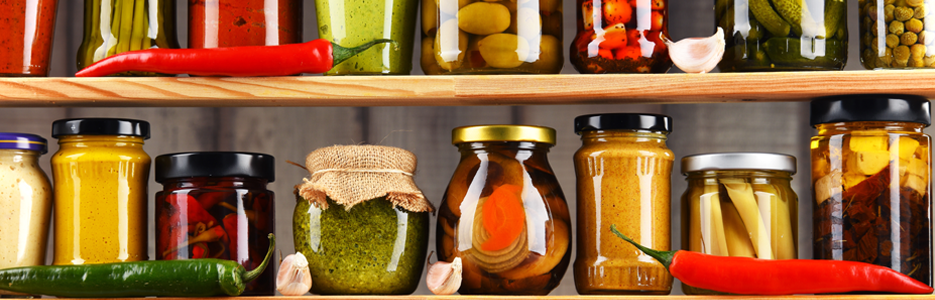
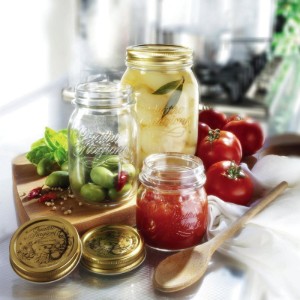
Even if we use modern technologies, we do not forget about traditions. Pickling, making jams and preserving in jars are methods that we still value today, not only for the authentic taste, but also because they help us avoid food waste.
How we do it:
- We pickle seasonal vegetables such as cucumbers, peppers, cabbage or cauliflower. We use brine or vinegar, according to classic recipes, and keep them in clean, sterilized jars.
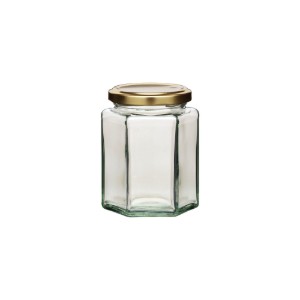
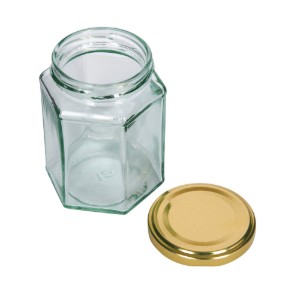
- We prepare jams and jams from fruits that we do not consume on time. We boil them with sugar in balanced proportions, and then we put them in sterilized jars and label them carefully.
- We preserve cooked or ripe vegetables (such as zacusca or broth), also in airtight jars.
- We label the jars with the contents and date of preservation – this way we know what we have in the pantry and how long it can be stored.
- We store in cool and dark spaces, such as the pantry, away from moisture and direct light.
What advantages we get:
- We keep the authentic taste of the local ingredients, prepared with our own hands, just like our grandmothers did.
- We reduce waste by using excess fruits and vegetables, which would otherwise spoil.
- We save money by having supplies from the season of abundance for the colder months.
- We enjoy variety on the menu all year round, with access to healthy canned food, without additives or artificial preservatives.
- We preserve the nutritional value of food through natural methods, tested for generations.

5. Meal and shopping planning – our strategy for reducing waste
One of the simplest and most effective ways to reduce food waste is through planning. When we know what we are going to cook and what we already have in the fridge or pantry, we make better and more responsible shopping decisions.
How we do it:
- We create a weekly meal plan, adapted to our preferences and schedule. We set the main meals and snacks so that we have a clear direction.
- We check what foods we already have at home, especially perishable products or those with a near-expiration date. We include them in the weekly menu to use them on time.
- We put together a clear shopping list, with well-thought-out quantities and foods suitable for planned recipes. This way we avoid impulse purchases.
- We buy responsibly: we choose products according to need, not just according to offers or packaging. We emphasize quality, not quantity.
- We use food scraps creatively: we turn leftover vegetables into soups or stews, and dry bread into croutons or puddings – nothing is thrown away!
What advantages we get:
- We significantly reduce food waste, because we use everything we buy.
- We save money: we avoid unnecessary expenses and use the food budget efficiently.
- We save time by eliminating momentary decisions and frequent purchases.
- We cook more organized and balanced, because we rely on a clear plan, adapted to our needs
- We enjoy varied and tasty meals, including the remaining or undervalued foods.

Food labeling – An effective trick for organizing canned food
When we store food, either in a vacuum or in classic containers, we have an essential step that we never skip: labeling. Every time we cook, portion or store leftovers, we know that a clear label can make the difference between a food used on time and a wasted one.
Through labeling, we note the date we stored the food and the contents of each container. This makes it easier for us to track the shelf life and plan our meals efficiently.
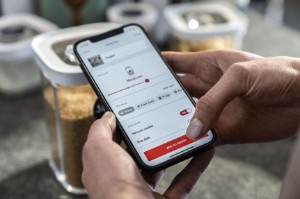
To do everything quickly and tidy, we use a portable thermal printer. It is small, it easily connects to the phone via Bluetooth and we can use it anywhere in the house. We print durable labels for containers, vacuum bags, jars and even frozen boxes.
Labeling gives us:
- better control over food stock;
- a more efficient organization in the refrigerator and freezer;
- avoiding food loss due to forgetfulness;
- An elegant and clean way to keep order in the kitchen.
Labels help us feel more organized and confident in the food choices we make on a daily basis.
Therefore, reducing food waste is possible by implementing effective strategies that are accessible to all. Through the active and responsible involvement of each of us, we can reduce the negative impact on the environment and the economy, while ensuring a healthy and balanced diet for the whole family.
Other recommended products:
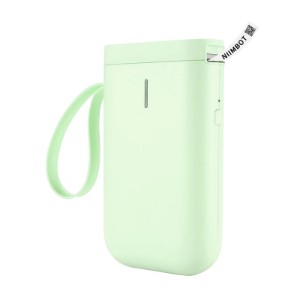

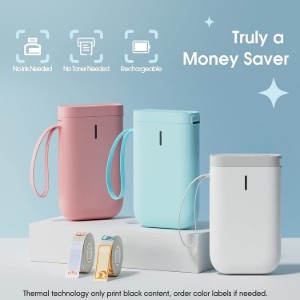
Thermal label printer, portable, D11 model, Green - NIIMBOT
Code: D11F929042212
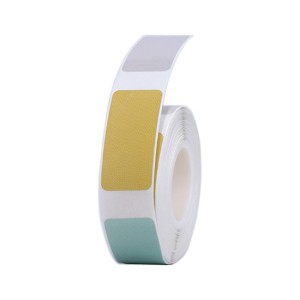
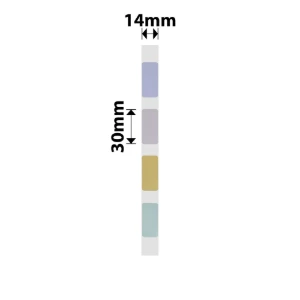
Label sticker roll, 14x30mm, 210 pcs/roll, Cornfield - NIIMBOT
Code: 6975746635707
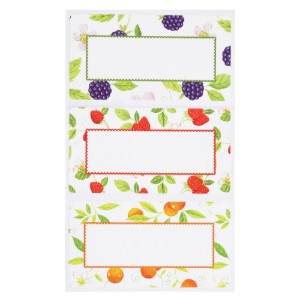
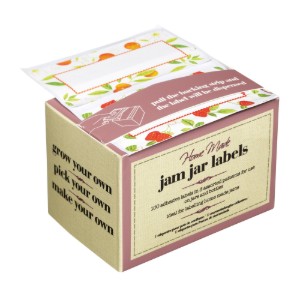
Set of 100 adhesive labels, paper - Kitchen Craft
Code: KCHMJAMLAB
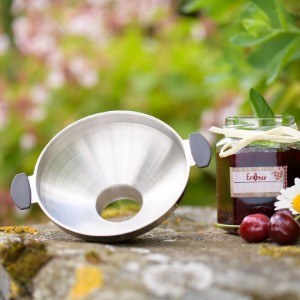
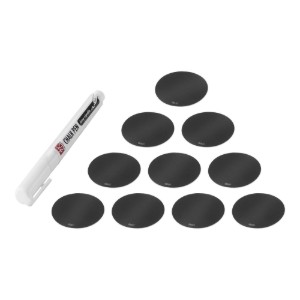
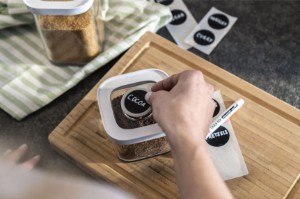
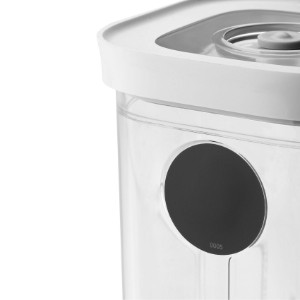
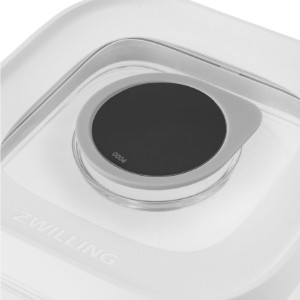
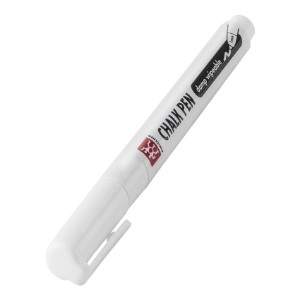
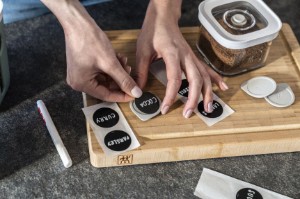
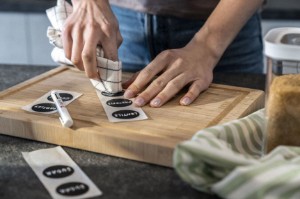
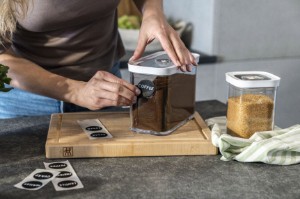
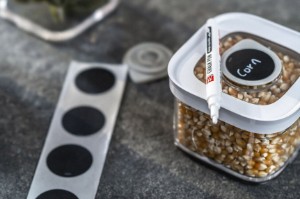
Set of 11 silicone labels with chalk marker, "Cube" - Zwilling
Code: 1025378
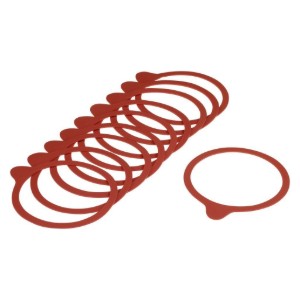
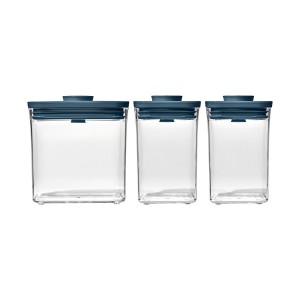
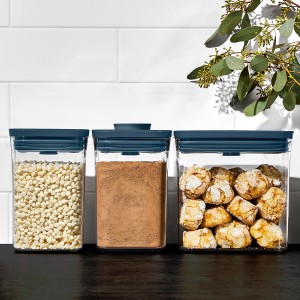
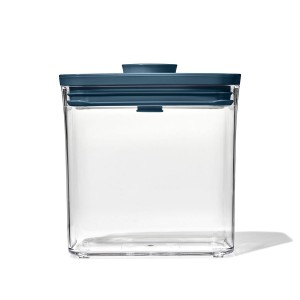
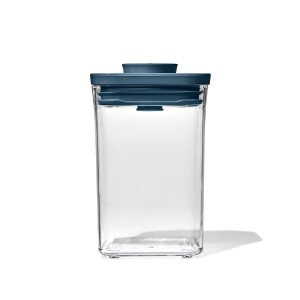
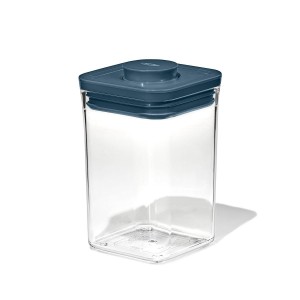
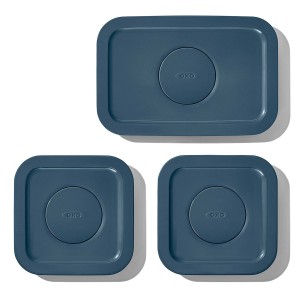

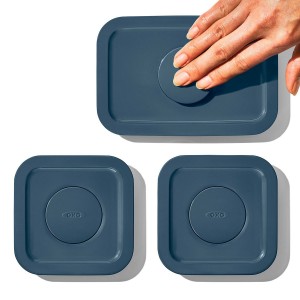



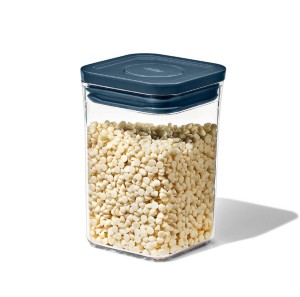
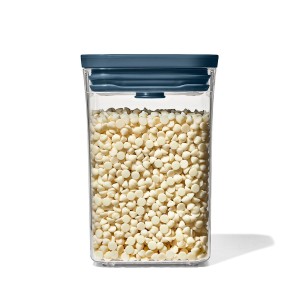
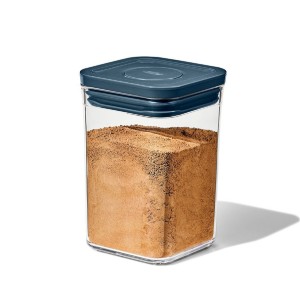
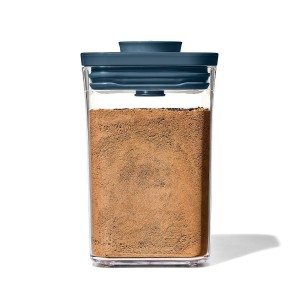
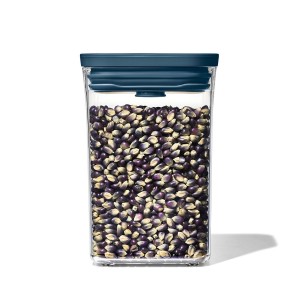
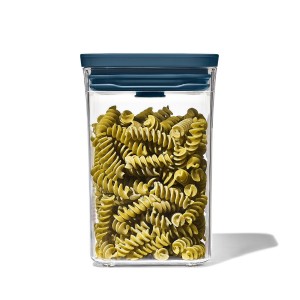
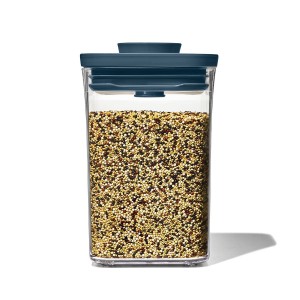
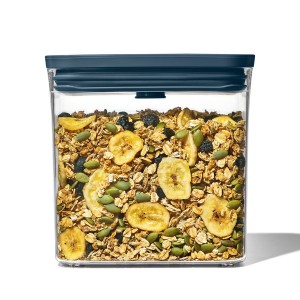
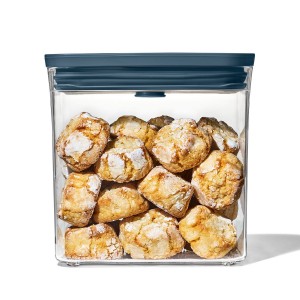
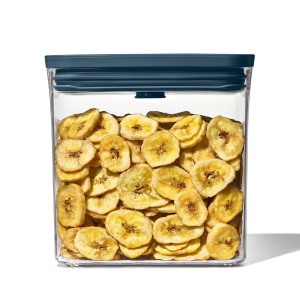
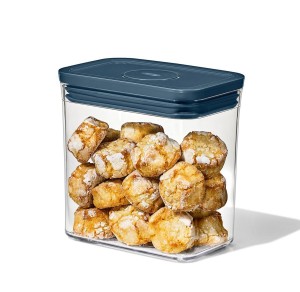
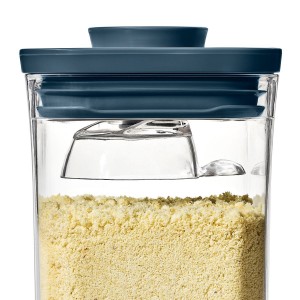
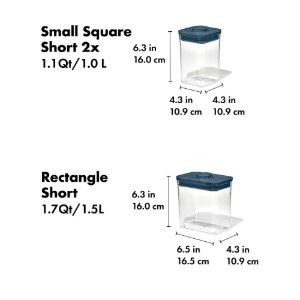
3-piece POP food container set, plastic, Storm Blue - OXO
Code: 11384800
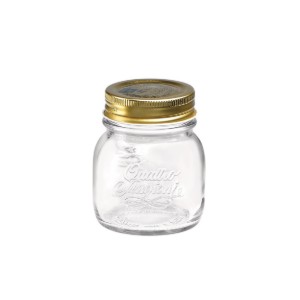



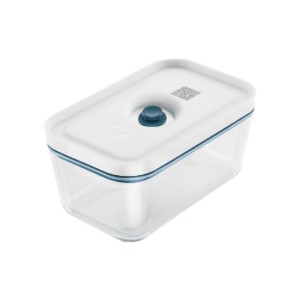
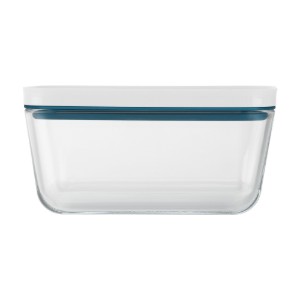
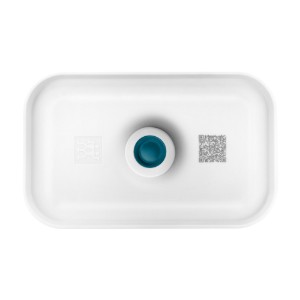
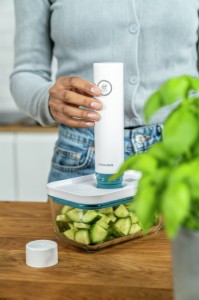
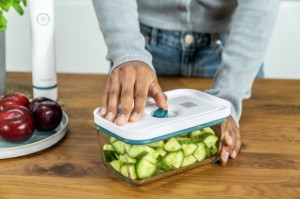
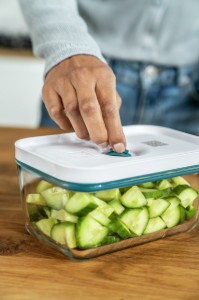

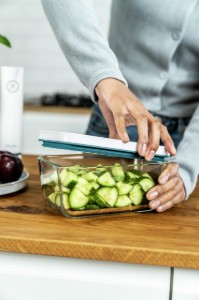
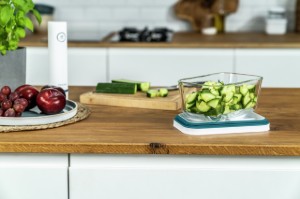

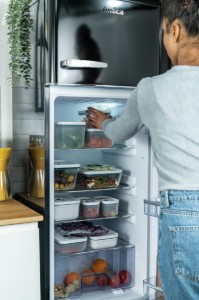
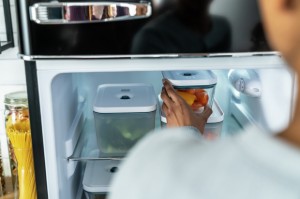
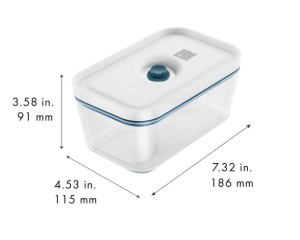
Vacuum food storage container, made from glass, 900 ml, "FRESH & SAVE" La Mer - Zwilling
Code: 36801302
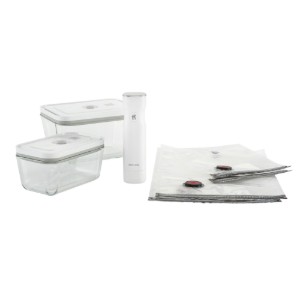
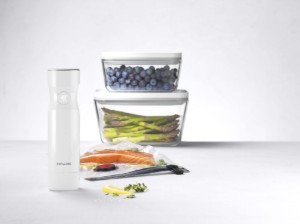
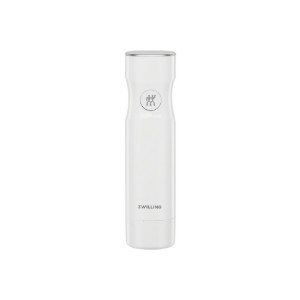
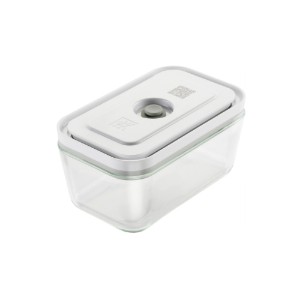
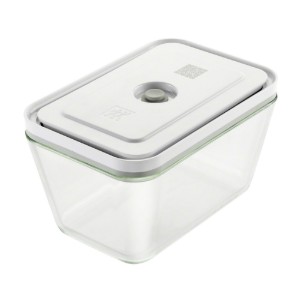
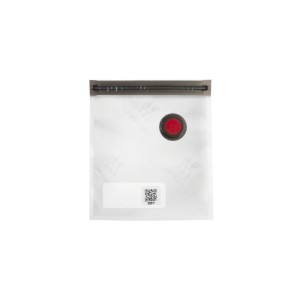
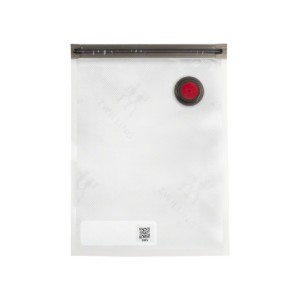
7-piece vacuum seal set "FRESH & SAVE" - Zwilling
Code: 36806007
Other articles you might be interested in: